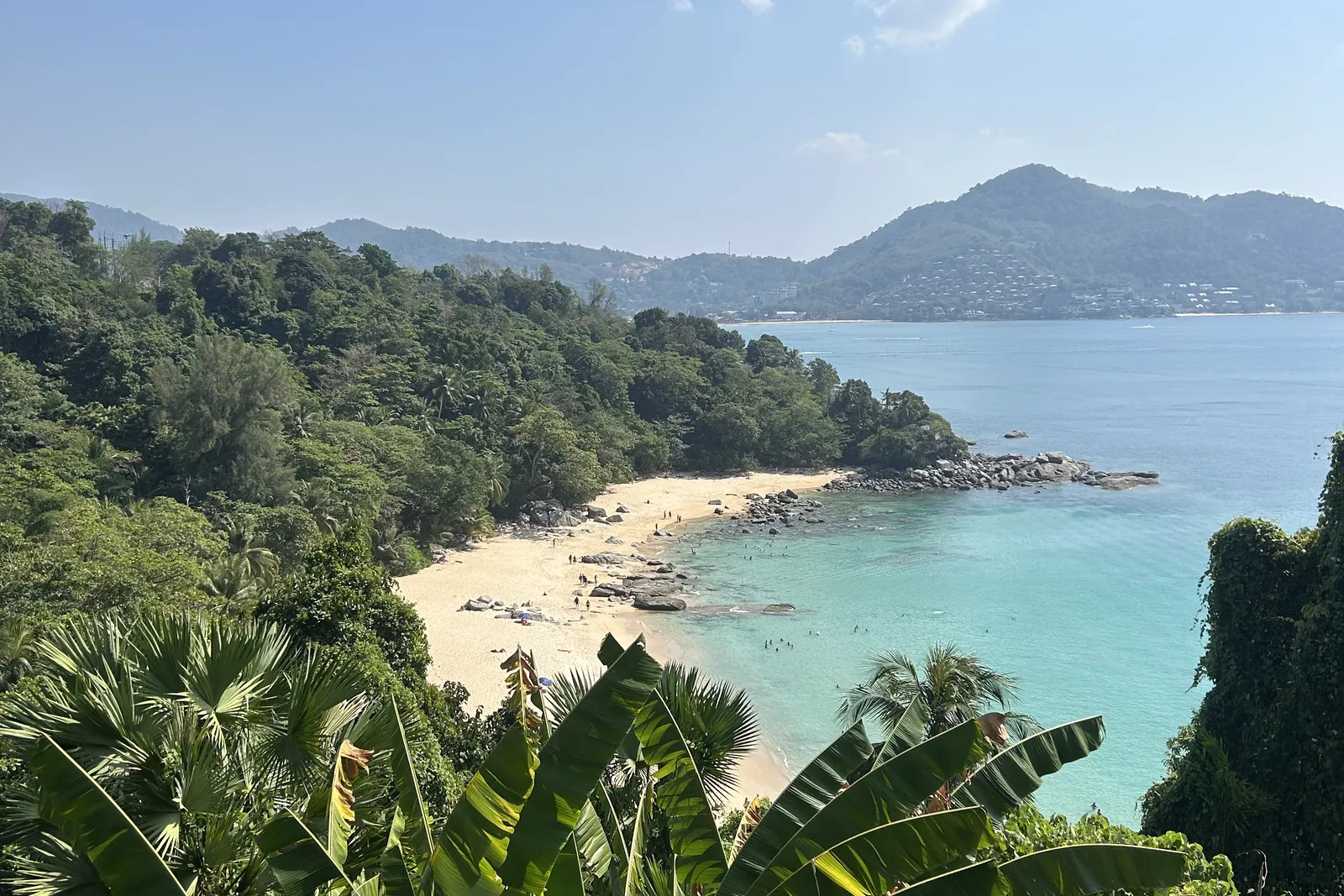
 Choosing a base
Which areas of Phuket to avoid?
No area here is dangerous. But each bay suits some trips very well and others very badly. Area by area, who it suits, and the alternative ten minutes away.
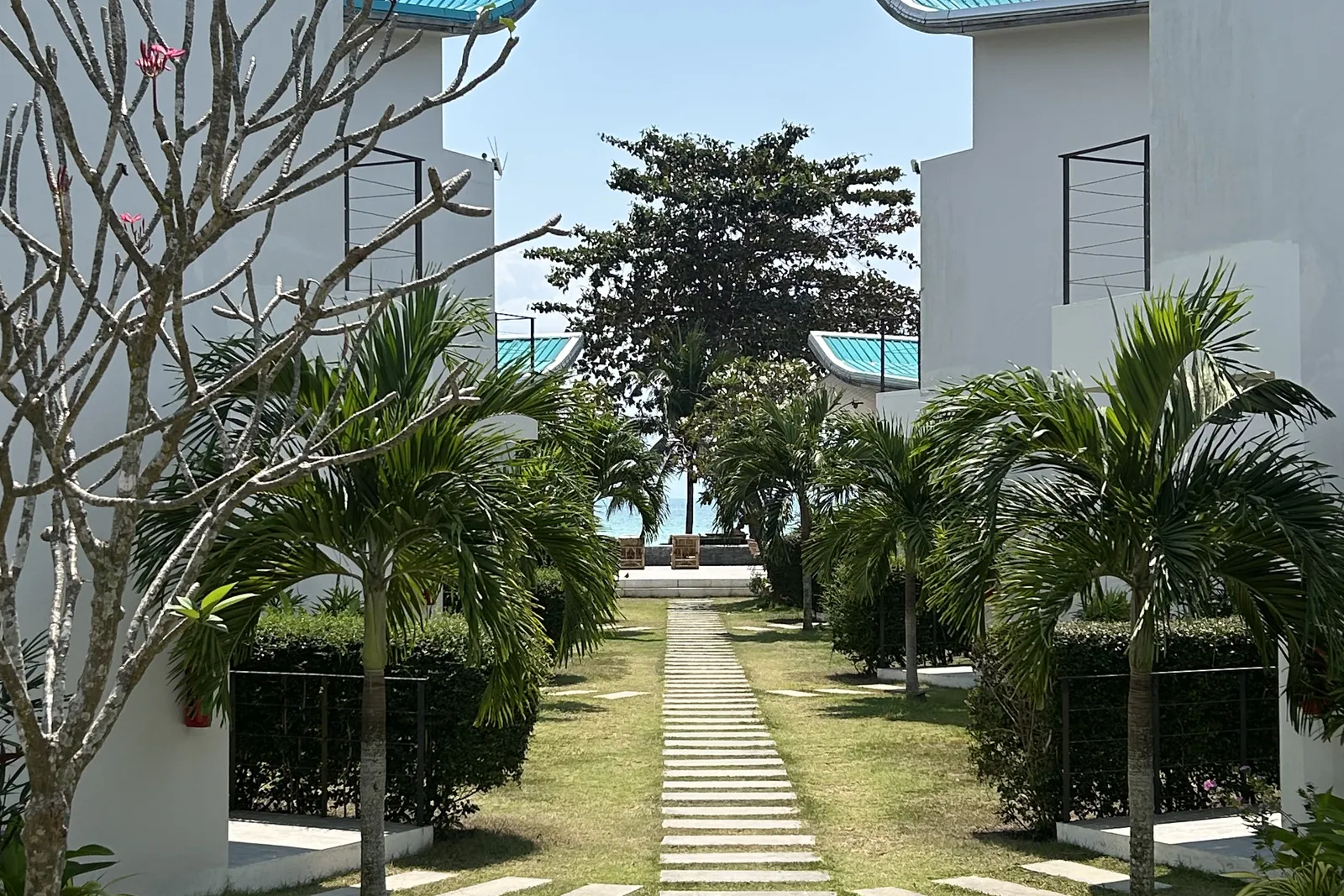 Where to stay
Most people start by comparing beaches. On the ground, it isn't the beach that makes or breaks a week: it's whether you'll walk or drive, how much road there is between where you stay and the airport, and what you want to hear at ten at night. Three answers, and the area almost chooses itself.
Managing without a vehicle, the transfer time from the airport, the noise level in the evening. Everything else, the beauty of the sand, the quality of the restaurants, the style of the villas, can be found more or less all over the island. These three can't.
The first is the bluntest. Only three areas let you spend a whole week without driving: Patong, Kata and Karon. Everywhere else, every dinner, every swim and every errand means a vehicle. It's not a problem when you've planned for it; it's a constant constraint when you haven't.
The second is counted in minutes and paid for in days. The airport is in the north. Depending on the coast you choose, the transfer takes twenty minutes or a good hour, and you do it twice. On a five-night stay, the difference adds up to half a day of holiday, spent in a car instead of in the water.
The third isn't in any listing. You don't judge a bay at midday but at ten at night: some keep going until dawn, others close up after dinner. Both appeal, to different people and sometimes to the same people in different years. The only mistake would be finding out on the first night.
| Area | Getting around on foot | From the airport | In the evening |
|---|---|---|---|
| Patong | Everything on foot: the densest area on the island | Around 40 km, 45 minutes to an hour | Lively until very late, and that's why people come |
| Kata | Beach, shops and restaurants within walking distance | Just under an hour outside busy times | Restaurants open, streets that quieten down after dinner |
| Karon | Yes, along the beach and around the roundabout | Around 43 km, 55 minutes to a good hour | Calmer than Patong, livelier than the south |
| Bang Tao | You get around by car: distances are long | Around 25 km, twenty to thirty minutes | Beach clubs and polished restaurants, then silence |
| Rawai and Nai Harn | A vehicle is essential: that's the pace of the southern tip | 45 minutes to an hour depending on traffic | Terraces along the water, everything winds down early |
| Phuket Town | The Old Town can be explored entirely on foot | Around 36 km, about 45 minutes | Cafés, street markets, lit-up façades |
It's the first question we ask when someone writes to us, and it often surprises people. Four nights and three weeks in Phuket don't call for the same coast, even for exactly the same people.
On a short stay, the logic is about the time you have. Base yourself close to what you came to do: the beach in the afternoon, a restaurant in the evening, a boat from a nearby pier. The central west coast, around Kata and Karon, exists for exactly that. Four nights leave little room for travelling, and none at all for forty-minute round trips.
From around ten nights, the balance shifts. You get a scooter or a driver, the map opens up, and the hills become interesting: a villa above a bay, an infinity pool, the evening breeze. You head down when you like and come back up to the calm.
Beyond a month, it's no longer a holiday question. It's about daily life: a market, a gym, a vet, neighbours. The southern tip answers that better than the well-known beaches, which is exactly why it's home to the largest community of foreigners living here year-round.
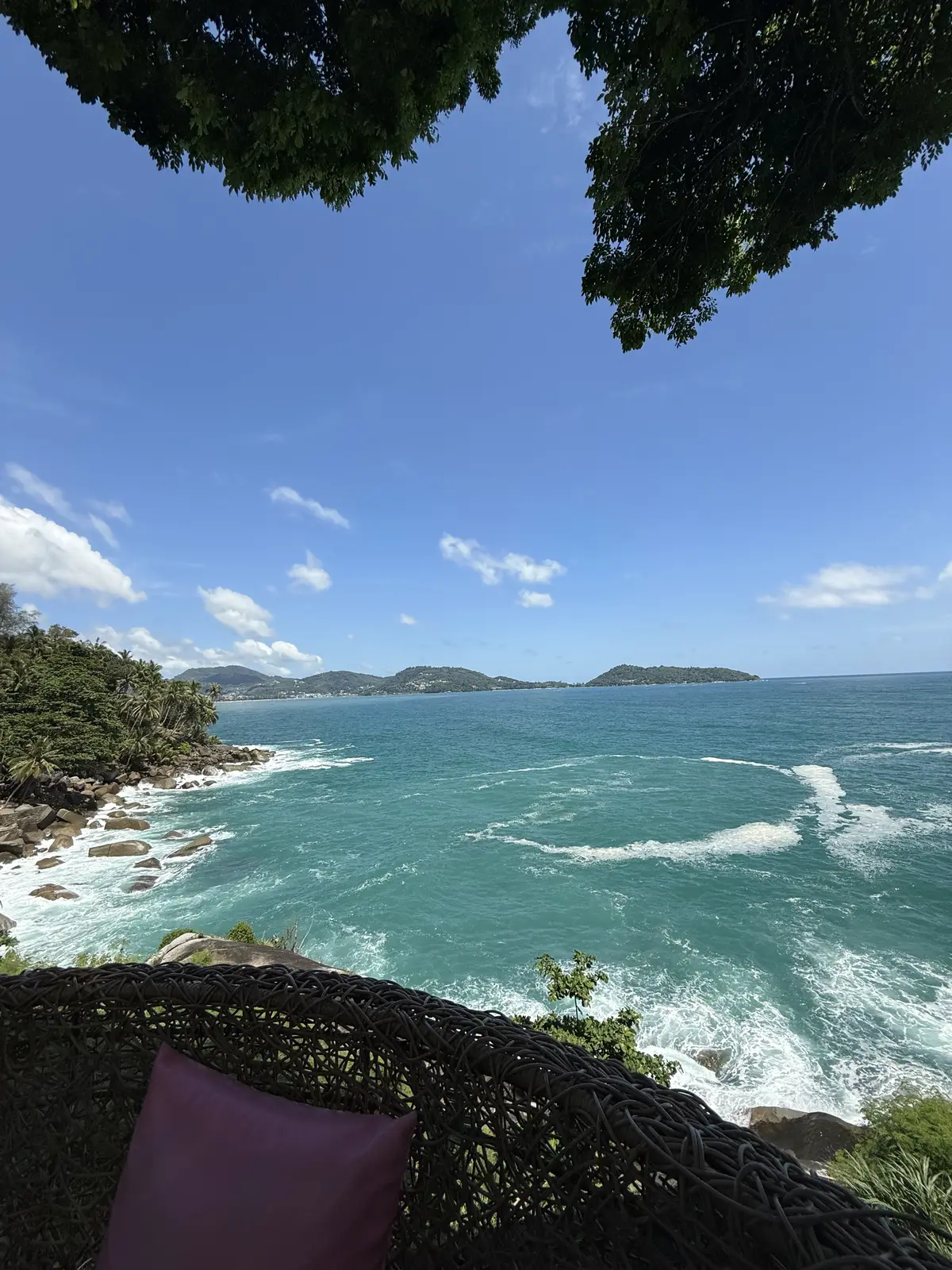
Every area has its people, and none is a bad choice: it's simply the right choice for someone other than you, or for you at another time. Here's the short version.
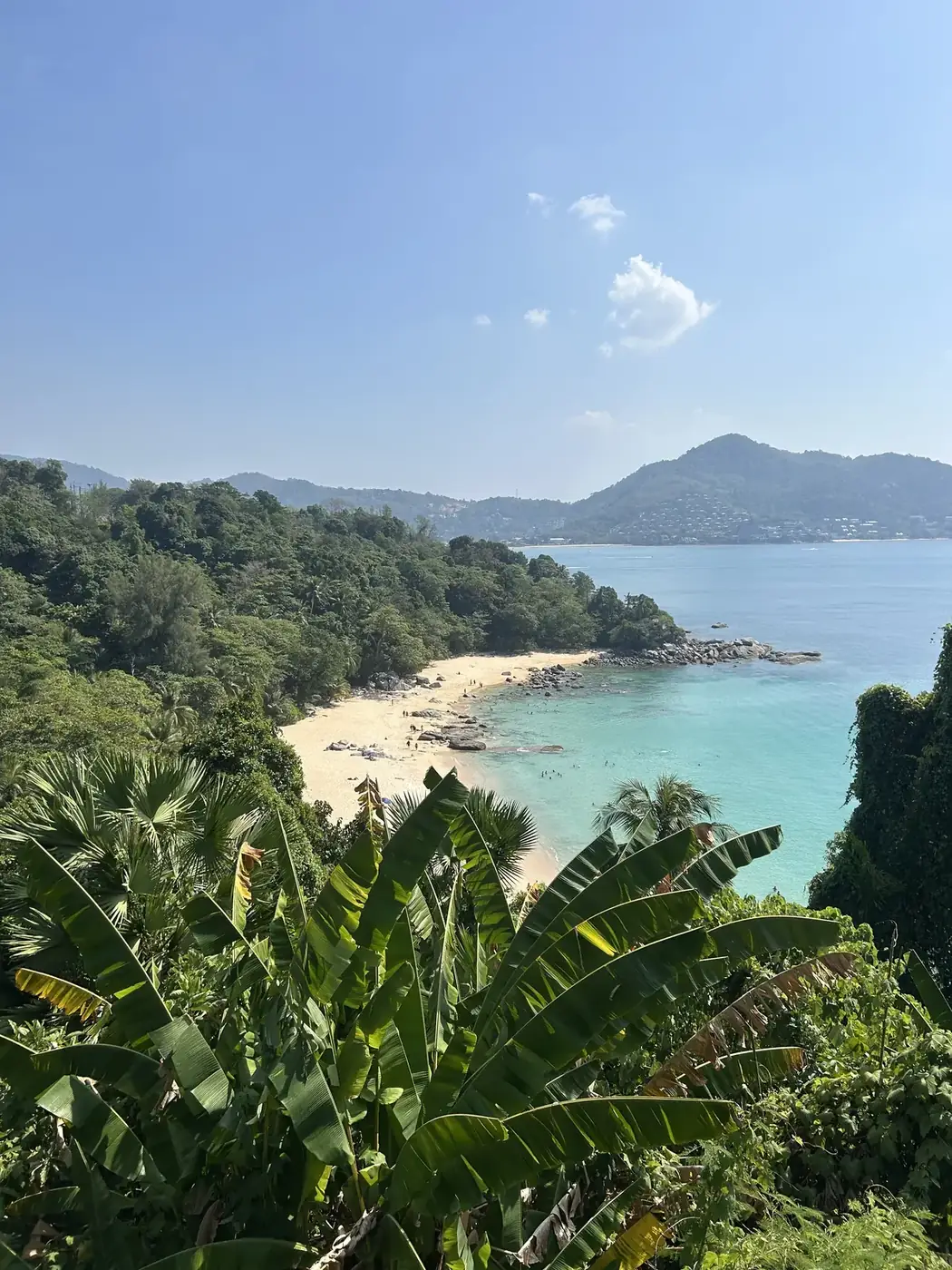
Patong is for people who want everything within walking distance: the beach in the afternoon, a table in the evening, what comes after, and walking home. It's the densest bay on the island and the easiest to enjoy without a vehicle.
Kata is the compromise families and couples go for: a proper beach, shops within walking distance, evenings that end when you decide. It has a feature few people know about before they arrive: two beaches rather than one, Kata Yai and Kata Noi.
Karon sits in between Patong and Kata. Around three kilometres of sand, the third-longest beach in Phuket, wide enough to feel you have room to breathe in February. You walk everywhere as in Kata, with a bit more space and a few fewer people on the promenade. Villas in Kata and Karon, direct from the owner
Bang Tao has the island's biggest villas, its beach clubs and six kilometres of beach. One argument rarely gets a mention: it's also the upmarket area closest to the airport, around twenty kilometres against double that for the central coast. On arrival day, with tired kids, you feel it.
Rawai and Nai Harn, in the south, are the island you live on rather than the one you spend a week on. Rawai is a harbour lined with a long row of seafood restaurants; Nai Harn, a few minutes away, has one of the most beautiful swimming bays in Phuket. It's the choice for long stays and for people who come back.
Phuket Town, finally, offers a completely different way of staying in Phuket. Sino-Portuguese façades, century-old shops, cafés, street markets, and an Old Town you can explore entirely on foot. The coast is around twenty minutes away by car, which makes it a base for the end of your trip rather than a beach base.
Nobody talks about it, and plenty of people consider it: staying in two areas rather than one. Honest answer: it depends on the number of nights, and the threshold is fairly clear.
Under seven nights, one base. Changing accommodation costs half a day between checking out, the drive, waiting for the keys and unpacking again. On a short stay, it's a beach day lost for not much extra change of scene.
From ten nights, a double base becomes genuinely enjoyable. The pattern that works best: the beach first, then one or two nights in the Old Town, with the feeling of having seen two countries in one trip. Another option for night flights: a last night in the north of the island, twenty minutes from the airport, so you don't start your journey home with an hour on the road.
What needs sorting in advance in that case: the transfer between the two places, the key handover and return times, and what happens to your luggage in between. That's exactly the kind of detail we arrange for you before you arrive, because it takes two calls from here and ten messages from abroad.
Because you can't judge an area from a map. You judge it by the street, the way the terrace faces, the slope of the road up to it, and what you can hear from the bedroom at eleven at night.
We're a French-Thai team, with a partner who lives in Phuket, and we've seen the places we suggest. Two villas in the same development can feel very different depending on the floor, the orientation or the distance from a busy road. No listing tells you that, and no aggregator knows it.
A word on timing, because it's better to hear it early: the most interesting villas go first, often passed between owners and locals before they appear anywhere online.
Tell us your dates, how many of you there are, and what you want to do with your days. We'll tell you which area to stay in and why, with the real travel times. Even if you then book somewhere else.
One last thing, true of every area: half of what rents well in Phuket isn't on any platform. You have to ask, and ask early.
FAQ
Kata and Karon are the two answers least likely to disappoint on a first trip: a proper beach, restaurants and shops on foot, and enough going on in the evening without the nightlife taking over. Patong suits you better if you're coming mainly for the atmosphere and nights out. In all three, you can spend a whole week without driving, which isn't true anywhere else on the island.
Patong, Kata and Karon. They're the only three areas of Phuket where the beach, restaurants, shops and massages are all walkable from a well-located place. Everywhere else, every outing means a vehicle, a driver or a ride-hailing app, and there are fewer in the evening. A villa in the hills, even above these three bays, also means you'll need transport.
From around twenty minutes to a good hour depending on the coast. The airport is in the north of the island: Bang Tao is about 25 kilometres away, twenty to thirty minutes. Patong is around forty kilometres and takes 45 minutes to an hour. Karon is 43 kilometres away, Rawai and Nai Harn 45 minutes to an hour. The roads are winding and late afternoon stretches all these times.
Kata has the most going for it: a lifeguarded beach, calm water in high season, shops on foot and a noise level that allows early bedtimes. Karon works the same way with more space on the sand. Bang Tao suits families who are planning on a van anyway, with bigger villas and a wide beach. The real criterion is transport, not the bay.
Both make sense, and the split is simple. By the sea, you gain walkability: going out to dinner, heading down to the beach, coming back without organising anything. In the hills, you gain the view, a private pool, cooler evening air, and you plan a scooter or a driver for every trip down. If you're staying fewer than five nights, the seafront saves time; beyond that, the hills pay off.
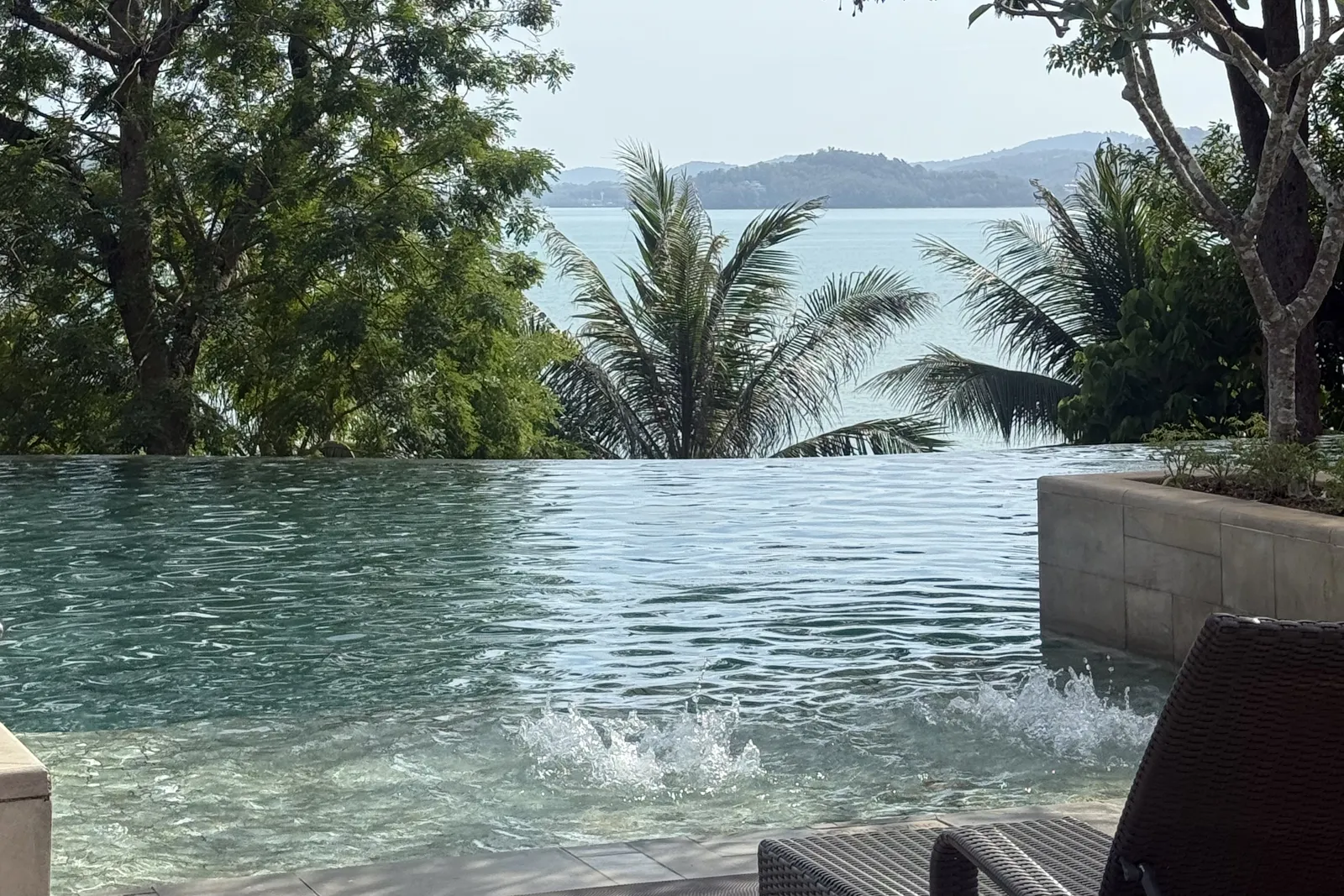
Planning your stay?
Villas, condos and apartments, directly from their owners. Send your dates and we'll get back to you with what's genuinely available.
Keep reading
More Phuket guides
Choosing a baseNo area here is dangerous. But each bay suits some trips very well and others very badly. Area by area, who it suits, and the alternative ten minutes away.
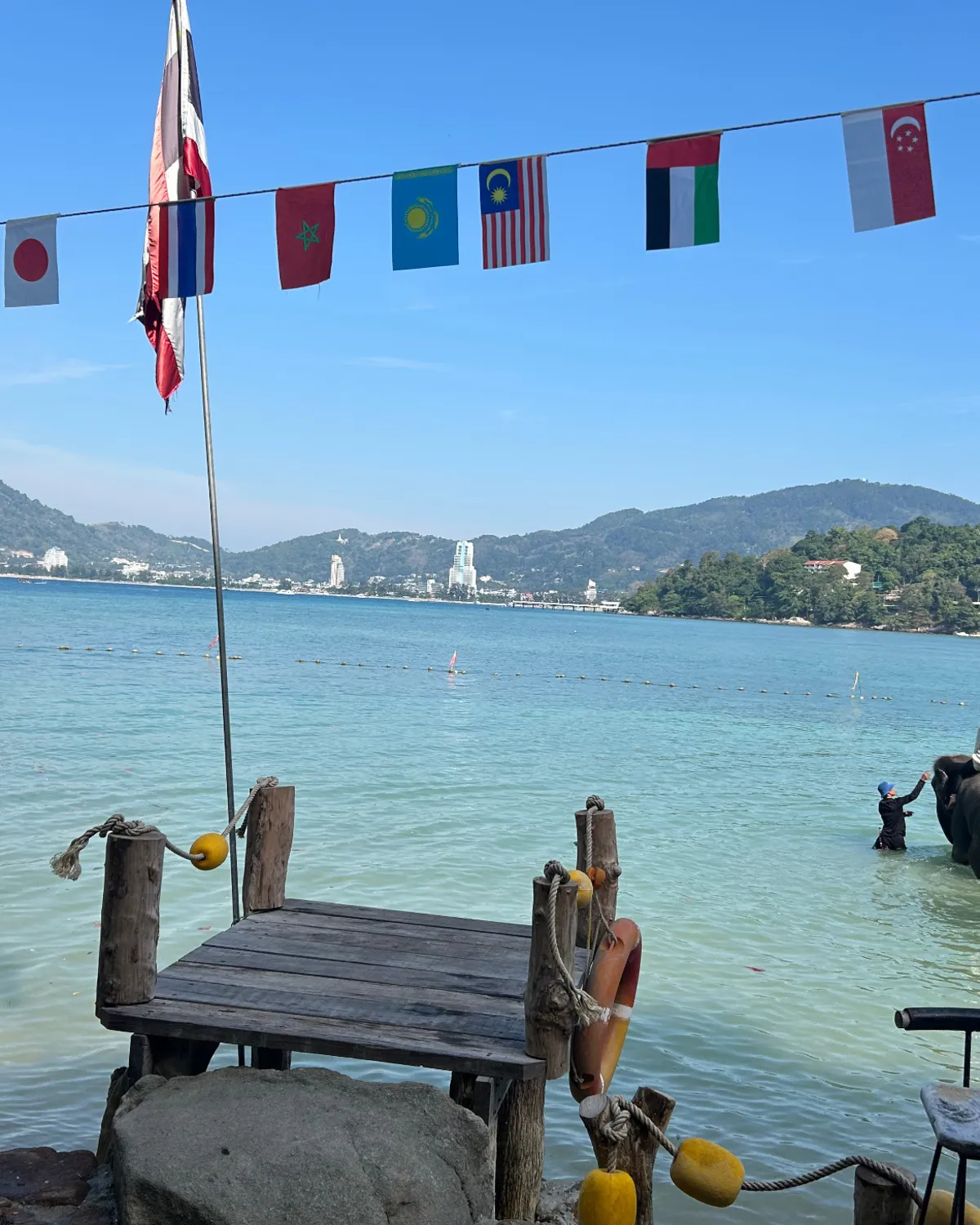 Long stays
On the island, the month is the norm and the best-value way to rent. Condo or apartment, which area, what the rent really covers, and the seven checks before you pay a deposit.
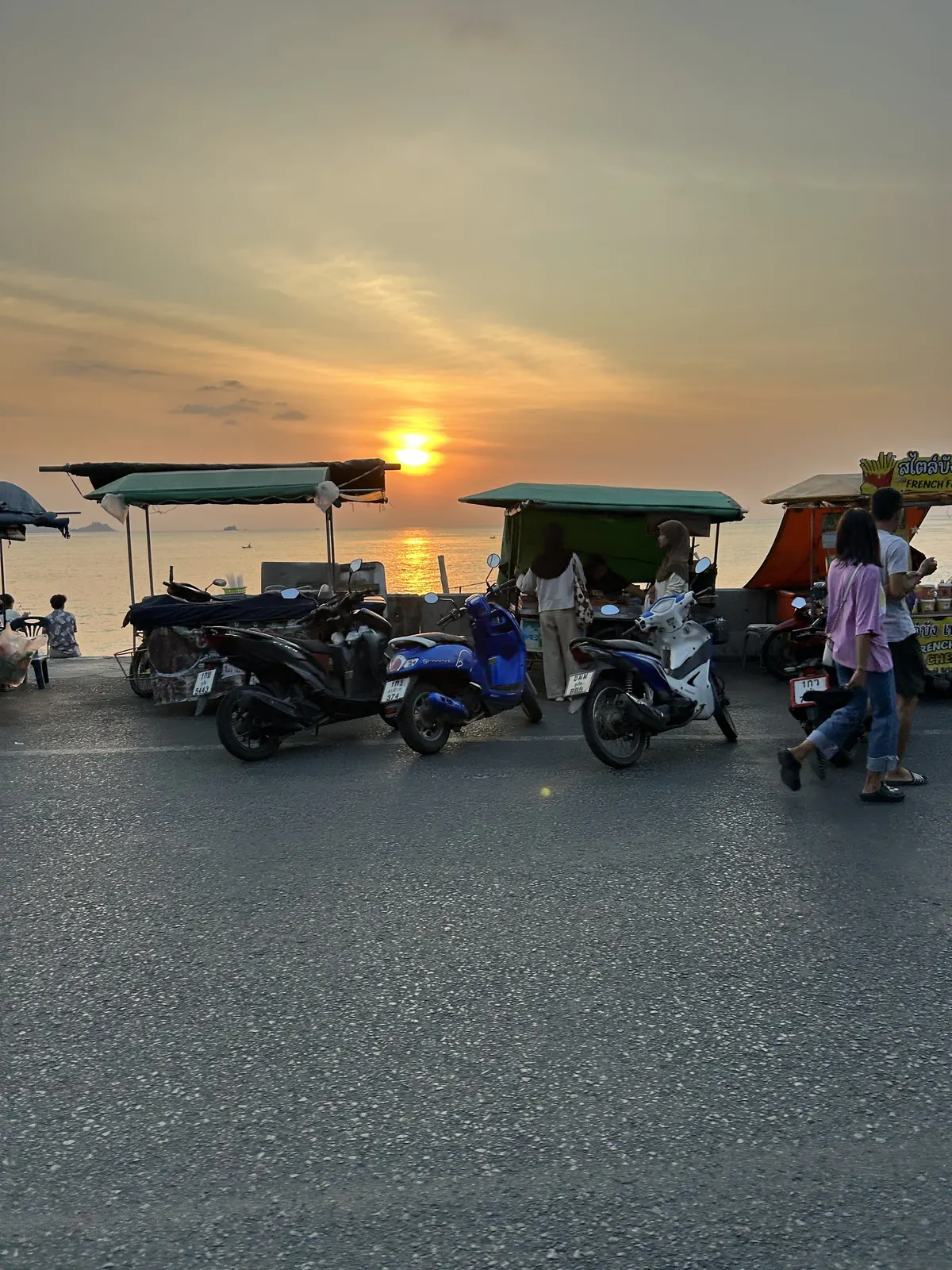 On a budget
What you pay for a room in Phuket depends first on the dates, then on how long you stay, and only then on the area. Where it's cheaper, the right type of place for your trip, and the traps we see every week.
Your dates, your group, what you want to do with your days. We'll reply with an area, a reason, and the real travel times.