Mee Hokkien
Thick egg noodles stir-fried with pork, seafood and Chinese greens. It's the island's signature dish, inherited from migrants from Fujian, and it's nothing like any noodle dish from mainland Thailand.
 Going out & exploring
The first thing to know, and it changes everything else: Phuket food isn't the Thai food you know. It has its own dishes, which you won't find anywhere else in the country.
Phuket was a tin island before it was a beach island. The miners who came from southern China stayed, and so did their cooking.
The result comes down to three influences: Chinese techniques brought by migrants from Fujian, Malay ingredients and spices from the south, and the Thai foundations of the mainland. You get braised, peppery dishes with thick noodles, often less focused on fiery chilli than you'd expect from a Thai meal.
In practice: if you order nothing but pad thai and green curry for a week, you'll have eaten very well, but you won't have tasted anything of what makes this island's cooking.
They're easy to find in the Old Town and much harder elsewhere in Thailand. Remember the names: showing them written down is often enough to be understood.
Thick egg noodles stir-fried with pork, seafood and Chinese greens. It's the island's signature dish, inherited from migrants from Fujian, and it's nothing like any noodle dish from mainland Thailand.
Pork braised slowly in a dark pepper and garlic sauce until it melts. Sweet and savoury, very fragrant, served with rice. You'll find it all over the Old Town and almost nowhere else in Thailand.
An oyster and taro omelette, fried on a griddle with eggs, crispy at the edges and soft in the middle. It's Phuket's emblematic street dish, and probably the hardest to find anywhere else.
Thin coconut crêpes cooked in little woks over charcoal, crispy at the edges and soft in the middle. A sweet snack you buy by the piece in the Old Town, and finish before you've turned the corner.
What you eat, and what you pay, depends on where you sleep. It's one of the factors that weighs most on a stay, and nobody mentions it before you book.
It's where you eat best and cheapest on the island, and precisely the area most visitors never see. The Sino-Portuguese shophouses hide family kitchens, some cooking for three generations. Expect to pay half what you would in Patong, for food that's in a different league.
Our tipWeekday lunchtimes, when the kitchens are cooking for locals rather than visitors.
The highest density of restaurants on the island, with everything that implies: the best and the worst fifty metres apart. Places worth the trip do exist, but they're almost never the ones with photos of dishes out on the pavement.
Our tipMoving a street or two back from the seafront changes everything, for the quality as much as the bill.
A good balance: enough choice to vary a whole week, without Patong's one-upmanship. It's also where you'll most easily find kitchens that cater for kids, which matters more than you'd think by the fourth dinner.
Our tipThe best tables are often set back from the beach, on the road heading inland.
The most upmarket area, with the beach clubs and a real restaurant and café scene around the village. Prices match the area, but so does the quality: it's where you dine when you want a night out without leaving the north-west.
Our tipBook in high season, especially for beachfront tables at sunset.
Rawai has no swimming beach, but it has the harbour, and so the best fish and seafood restaurants on the island. You pick your catch from the stall, have it cooked to order, and pay by weight.
Our tipAsk for the price per kilo BEFORE you choose. It's the local custom, and nobody takes offence.
They're institutions, not addresses: they don't close, and they bring together in one place what would take you three days to find in town.
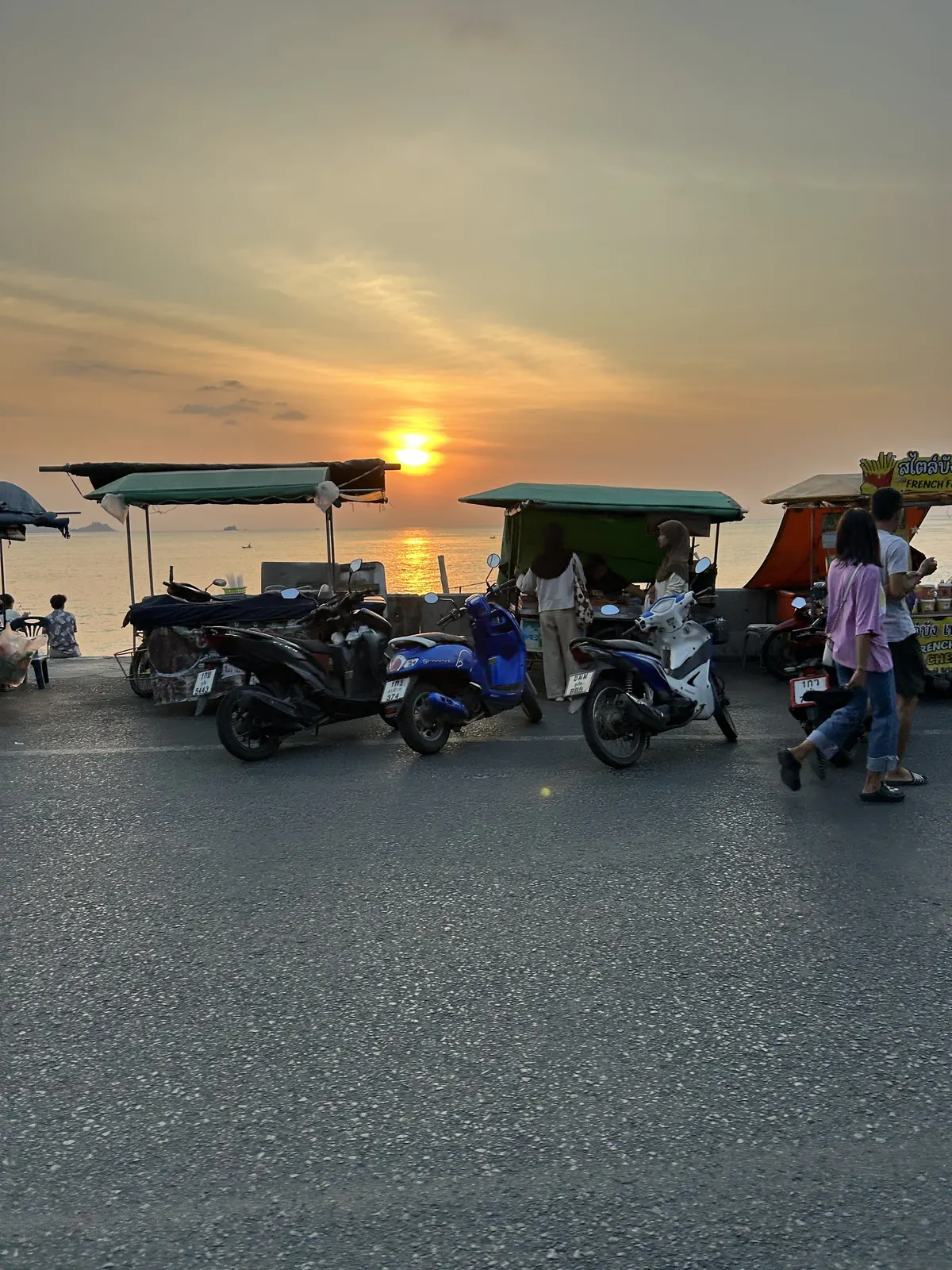
On the Old Town's historic street, in the late afternoon and evening. Food stalls, crafts, music, against a backdrop of Sino-Portuguese façades. It's the one we recommend if you only do one.
Near Phuket Town, one of the largest on the island with several hundred stalls. Much broader than food alone: clothes, odds and ends, pets. Give yourself time.
Newer, younger, also in Phuket Town: stalls set up in shipping containers, more creative street food and a relaxed evening atmosphere.
You'll notice no restaurant is named on this page. That's deliberate: a place closes, changes chef or slips, and a recommendation nobody has checked in six months is worthless. Ours, we test and retest, and we pass them on, up to date, to anyone who messages us.
FAQ
In Phuket Town's Old Town, where the family kitchens set up in Sino-Portuguese shophouses are concentrated. That's where you'll find the island's own dishes (mee hokkien, moo hong, o-tao), which barely exist in the rest of Thailand. Prices are around half those in the beach areas.
Yes, noticeably. It combines Chinese techniques brought by migrants from Fujian, Malay ingredients and southern Thai foundations. The result is dishes with a different profile from mainland Thai cooking: less focused on fiery chilli, more on braises, pepper and thick noodles.
The Old Town's Sunday evening market, held on the historic street, mixing food stalls, music and crafts. The big weekend market near Phuket Town, one of the largest on the island with several hundred stalls. And a newer, younger container-style market, also in Phuket Town.
Generally yes, as long as you follow the universal rule: choose stalls with a crowd, where the cooking happens in front of you. High turnover means fresh ingredients. Long-standing stalls in the Old Town have often been serving the same families for decades.
For street food and neighbourhood kitchens, never. For beachfront tables, beach clubs and hotel restaurants in high season, from November to April, it's strongly recommended: the best sunset spots get taken several days ahead.
Planning your stay?
Villas, condos and apartments, directly from their owners. Send your dates and we'll get back to you with what's genuinely available.
Keep reading
More Phuket guides
For twoFreedom Beach by long-tail boat, the quiet bay of Kalim, a table facing the bay at sunset, the Simon cabaret, then Bangla Road if you're in the mood.
 Shopping & air con
A luxury giant near the Old Town, two malls in Patong, a whole open-air district in Bang Tao, an outlet on the airport road. Which one to pick, and for which brands.
ShoppingThe souvenir plenty of travellers bring home: a blank shirt printed with your name, your number or a group joke. How it works, ideas, the traps, and why never a club logo.
Tell us where you're staying and what you like to eat. We'll reply with places we've tested recently.